Container Garden Design: How to Mix Thrillers, Fillers, and Spillers
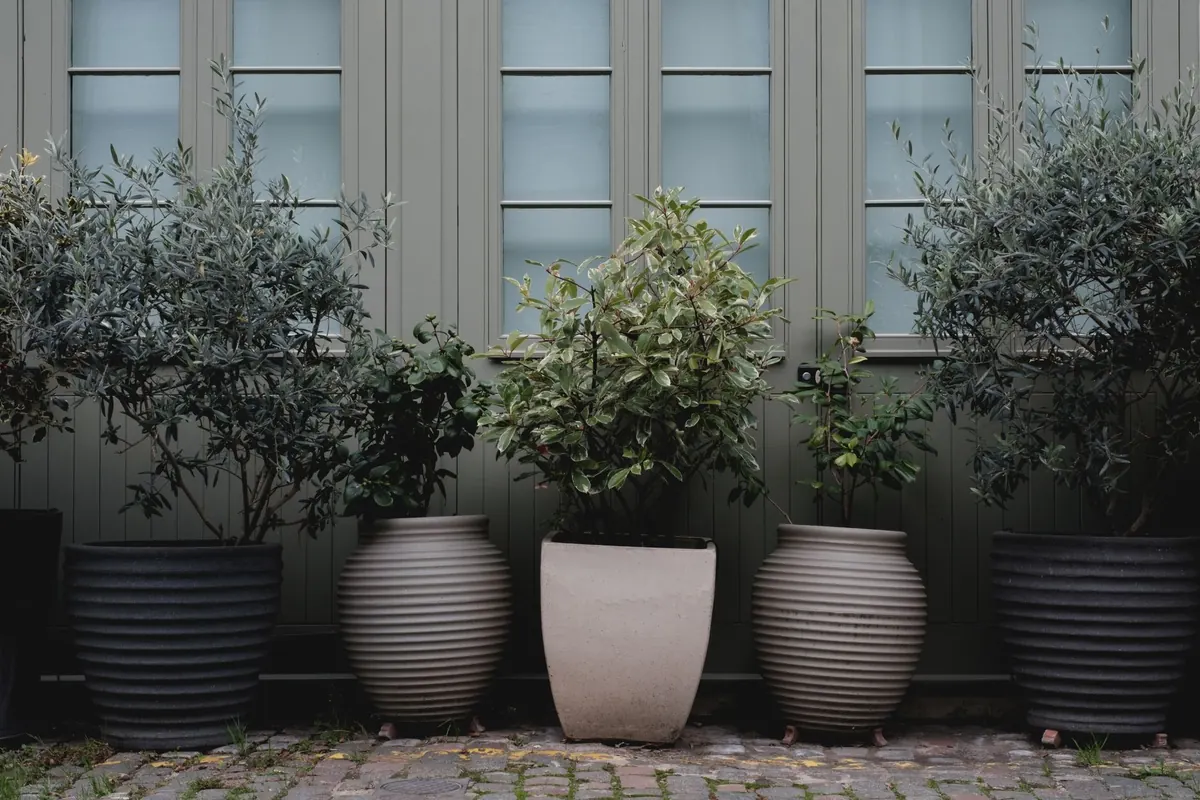
Anyone who has stood in a garden center holding four plants that looked wonderful on their own, then got them home and ended up with a muddled pot, knows the feeling. Container design is not about hunting down rare plants. It is about assigning jobs. The classic three-part formula gives you three: a thriller, some fillers, and spillers. Once you understand the roles, you can shop with a purpose, substitute freely, and plant a pot that looks designed rather than assembled.
An eye reads a container from top to bottom. Something tall catches attention first and gives the planting a silhouette. Something mounding and full gives it weight and color in the middle. Something trailing softens the hard edge of the pot and ties the whole thing to the ground. Skip any one of those and the pot tends to look either stiff, or slumped, or unfinished.
For a pot around 14 to 18 inches across, a workable ratio is one thriller, two or three fillers, and one or two spillers. Go bigger and you can add more of everything. Go smaller and you should scale back to one of each, because a tiny pot crowded with six plants will simply fight itself all summer.
One plant goes up, several go wide, one or two go over the edge.
The formula only works if you match plants to conditions. Before you buy a single flower, check two things.
Use fresh potting mix rather than garden soil, which compacts and drains poorly in containers. Make sure there are drainage holes, and skip the old gravel-in-the-bottom trick; it does not improve drainage and just steals root space. If the pot sits on a wooden deck, set it on feet or a saucer.
Thrillers are the plants with height, texture, or a strong color statement. One is usually enough. Good choices include purple fountain grass, cordyline, canna, elephant ear, taller salvias, angelonia, dahlias, and dwarf sunflowers. In shade, look at the big-leaved coleus varieties, caladiums, and upright ferns.
A small trellis tucked into the back of a pot turns a climbing mandevilla or black-eyed Susan vine into a thriller that keeps growing all season. The only real rule is proportion: a thriller should be roughly one to one and a half times the height of the pot itself, so it looks rooted rather than perched.
Fillers do the unglamorous work. They cover the soil, knit the thriller and spillers together, and keep the pot looking generous even in June, before anything has spread. Think mounding and mid-height: petunias, calibrachoa, begonias, geraniums, pentas, lantana, marigolds, verbena, dusty miller, and mid-sized coleus.
Set them in a loose ring around the thriller, leaving a little air between root balls. Plants that touch at planting time will be shoving each other by August. Include a foliage filler, not just flowers. A silver dusty miller or a burgundy heuchera gives the composition depth on days when nothing is blooming.
Spillers are what make a container feel abundant. Plant them near the rim, angled slightly outward, with the crown of the plant sitting at soil level rather than buried in a low spot where water collects.
A finished pot is not a static thing. Water when the top inch of soil feels dry, which in a hot July may mean daily; smaller pots dry out fastest. Feed every two to three weeks with a liquid fertilizer if you are not using slow-release granules. Pinch or deadhead spent blooms to keep new ones coming, and trim any plant that starts to overpower its neighbors.
The formula also makes seasonal swaps easy. Keep a sturdy thriller like a cordyline, grass, or heuchera in place for months, and change out only the fillers and spillers underneath it. Pansies and snapdragons carry cool spring; petunias, calibrachoa, and lantana take over in summer; ornamental peppers, small chrysanthemums, and trailing ivy close out autumn. Refresh the top few inches of potting mix between plantings and the pot will look new every time.
Previous Post
DIY Outdoor Decor Ideas That Survive Rain, Wind, and Frost
Next Post
Why Your Hydrangeas Aren't Blooming: 7 Causes and Fixes