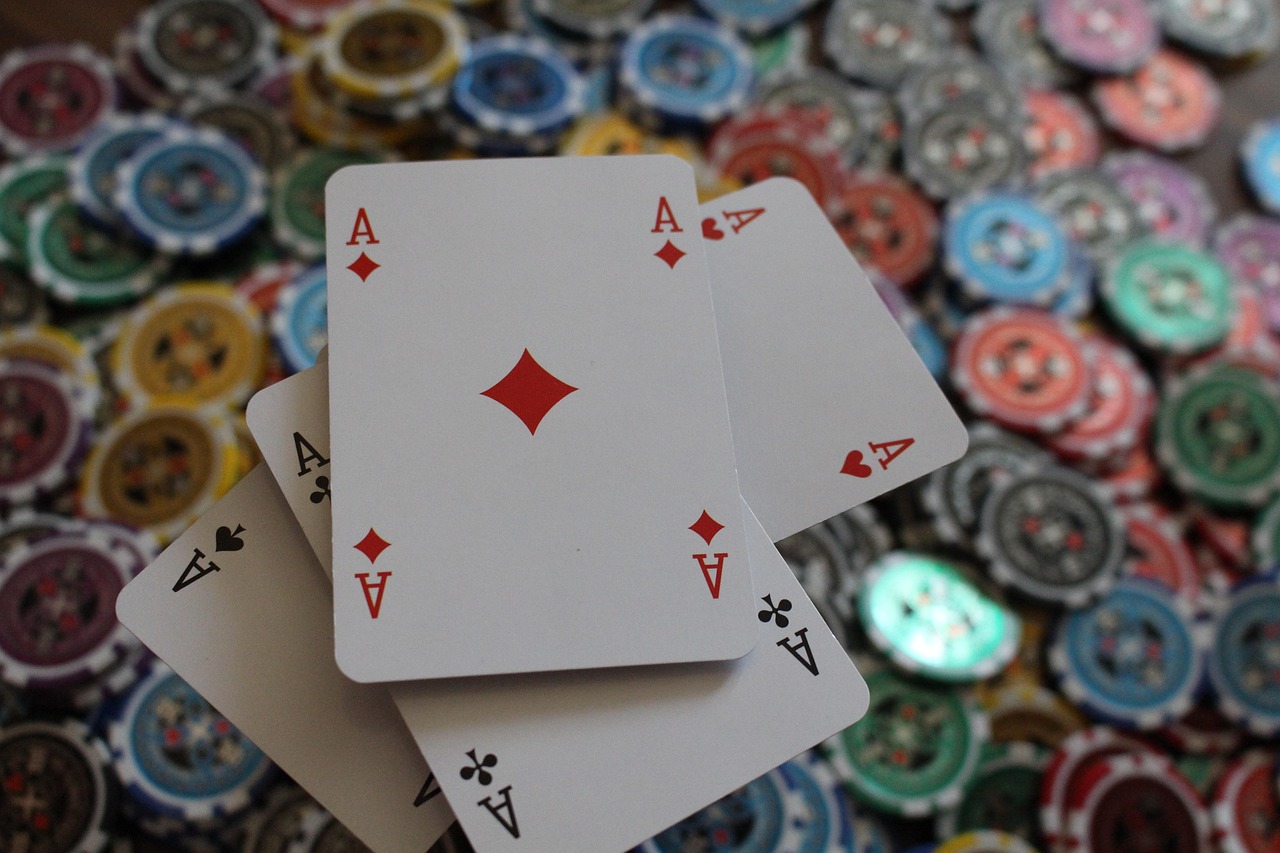
The House Always Wins? Why Smart iGaming Players Still Beat the Odds

Every casino floor tells the same story in neon: the house has an edge. Yet the same players keep coming back, and a surprising number of them walk away ahead over the long run. That contradiction sits at the heart of iGaming. Whether you're spinning slots at 2 a.m., grinding a poker tournament, or eyeing a Premier League accumulator, the difference between a fun hobby and a money pit comes down to understanding what you're actually playing — and why.
This isn't a lecture about quitting. It's a breakdown of how the modern iGaming ecosystem really works, where the value hides, and how to tilt the numbers slightly back in your favor.
Slots are the most misunderstood product in the casino world. Players often assume they're purely random and therefore hopeless. They're random, yes, but they're random within a mathematically defined envelope. Every slot has a Return to Player (RTP) percentage — usually between 94% and 97% in regulated markets like the UK, Malta, and parts of the US.
Here's the catch that trips up casual players: two slots with identical themes and volatility can have RTPs three percentage points apart. Over 10,000 spins at €1 each, a 96.5% RTP game returns €9,650 on average, while a 94% game returns €9,400. That's a €250 gap per 10,000 spins — not trivial over a year of play.
Sports betting is the only major iGaming vertical where a skilled participant can build a genuine long-term edge. That's not marketing talk — it's why bookmakers limit winning accounts and why exchanges like Betfair exist. The overround (the bookmaker's margin) on a typical Premier League match is about 5-6%. On a sharp market like NBA sides at a top book, it can shrink to 2-3%.
The practical implication is simple: the more markets a book offers on the same event, the higher the margin tends to be. Player props, correct score bets, and novelty markets often carry 10-15% overround. Moneyline and Asian handicap bets on major leagues are where the value is thinnest.
Three habits separate recreational bettors from long-term winners: Readers looking for specifics may like SHBET.
Poker is the one casino game where you play against other people, not the house. The rake — typically 5% capped at €3 in cash games — is the only built-in cost. In low-stakes online games, that rake can eat 5-10 big blinds per 100 hands, which is why so many break-even players never actually move up. Anyone weighing up options should see SH BET.
The modern poker landscape has changed dramatically. Solver software like PioSolver and GTO Wizard have flooded the mid-stakes with players who know optimal frequencies. Beating those games requires either:
Online cash game win rates have compressed accordingly. A 5bb/100 winner in 2010 is now a 2bb/100 winner at the same stakes, and even that is respectable. The money has shifted toward tournament poker, where a single deep run can return 100 buy-ins.
Before depositing anywhere, check who regulates the operator. A license from the UK Gambling Commission, Malta Gaming Authority, or a US state regulator (New Jersey, Pennsylvania, Michigan) means the operator has been audited for game fairness, segregated player funds, and responsible gambling tools. A Curacao license is a yellow flag — not automatically bad, but enforcement is lighter and dispute resolution weaker.
Look for three specific things on any casino site:
The bonus economy in iGaming exists to extend session time and camouflage the house edge. A 100% match bonus up to €200 with a 35x wagering requirement means you must bet €7,000 before withdrawing anything. On a 96% RTP slot, expected loss on that wagering is €280 — more than the bonus itself. Bonuses aren't free money; they're a low-stakes wager that occasionally pays off.
Variance is the other brutal teacher. A +2% EV slot player will still lose money on roughly 45% of sessions lasting 500 spins. A winning sports bettor on a 55% strike rate will have losing months. The only way through is treating your bankroll as a fixed, replaceable budget — not as an emergency fund, not as rent money, and never as a way to chase previous losses.
The players who last in iGaming aren't the ones chasing 10,000x jackpots or parlay lottery tickets. They're the ones who understand the specific edge — or anti-edge — in each game they touch. They pick slots with published high RTPs. They line-shop sports bets. They table-select in poker. They read the license page before depositing. And they walk away from games where the math simply doesn't favor them.
The house edge is real. But it's not uniform, and it's not unavoidable. Treat every wager as a transaction with a known cost, and iGaming shifts from a tax on hope into something closer to a skill you can actually develop.
Previous Post
Why Bonus Abuse Is Killing iGaming Margins (And How to Spot It)
Next Post
iGaming Unlocked: A Real Talk Guide to Slots, Poker & Sports Betting