The Real Edge in iGaming: Why Bankroll Discipline Beats Every Strategy
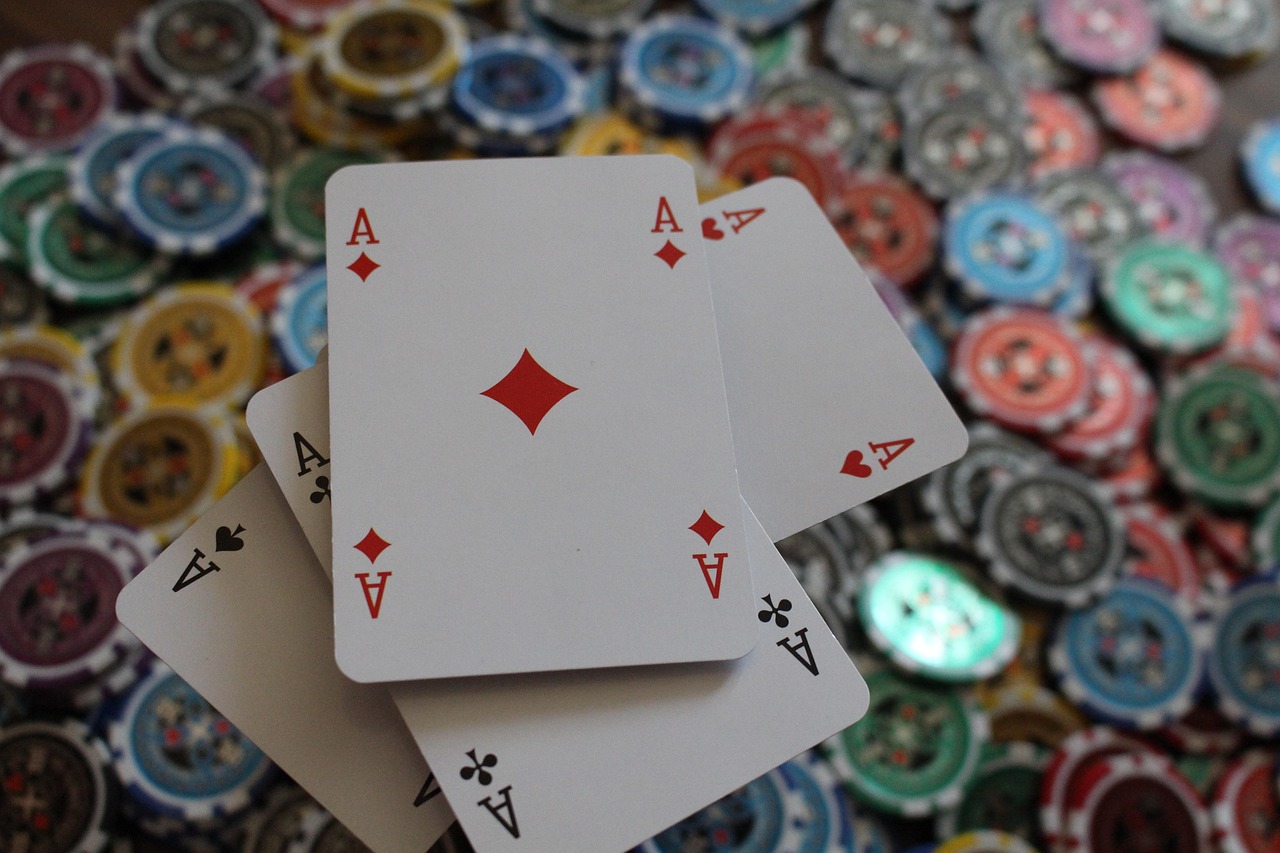
Ask ten poker players what separates winners from losers and nine will tell you it's reading opponents. The tenth, the one actually making money, will tell you it's knowing when to fold and go to bed. That unglamorous truth runs through every corner of iGaming — from a £2 spin on a Megaways slot to a Sunday accumulator on the Premier League. The games themselves are mostly decided by math. What you control is how much you expose to that math, and for how long.
This isn't a lecture about gambling responsibly that you've heard a hundred times. It's a practical look at the mechanics behind casino games, sports betting and poker, and how a handful of concrete decisions separate players who last from players who don't.
Every game in a casino — physical or online — carries a house edge. It's the mathematical slice the operator keeps over time. What surprises most recreational players is how wide the range is.
Those numbers look small per hand. Play 500 hands of blackjack at £10 a hand and the edge quietly extracts around £250 in expected value. Slots are faster — some run 300 to 500 spins an hour — which is why the same bankroll can evaporate in a fraction of the time on a slot machine compared to a table. Readers looking for specifics may like 78Win.
The practical takeaway: if you enjoy slots, choose high-RTP titles deliberately. A 96.5% RTP slot versus a 92% slot doesn't sound like much, but over a thousand spins at £1, that's a £45 difference in expected loss. Players who track this treat it like choosing a low-fee index fund over a high-fee one. Plenty of people rely on 78 Win for this kind of information.
Here's where most recreational players go wrong. They set a monthly budget, then treat it as a target to spend rather than a ceiling to respect. Worse, they size individual bets as a percentage of that budget rather than in terms of what a normal losing streak looks like.
A rough rule used by professional poker players: never risk more than 1% to 2% of your total bankroll on a single decision. If your iGaming bankroll is £200, that means £2 to £4 per hand or spin. It sounds boring. It is boring. It also means a standard downswing — and every player hits 20 buy-in downswings eventually — doesn't wipe you out.
Bookmakers and casino operators know that players who lose big typically do so in a spiral, not a single bet. Chasing losses is the single most destructive behavior in iGaming, and it's almost entirely preventable through pre-committed bet sizing.
Accumulators — parlays or same-game multis — are marketed heavily because they're exciting and because the bookmaker margin compounds with every leg added.
Consider two bets at fair odds of 2.0. A single bet has an implied 50% chance. Combine five such selections and you've got a 3.1% chance of landing it, yet most bookmakers will price that five-fold at around 30/1 rather than the fair 31/1. The margin per leg might look like 3%, but stacked five times it becomes roughly 15% of your stake in expected value.
Singles with a genuine edge beat accumulators almost every time for serious bettors. Where accumulators can make sense is as entertainment with tiny stakes — a £2 flutter for the weekend. Crucially, never use them as your primary strategy if you're trying to grind out profit. Sharp bettors focus on one or two markets per sport where they have real knowledge — specific leagues, specific referee tendencies, specific injury news — rather than spraying across everything on the coupon.
Poker is the one iGaming vertical where the long-term winner is genuinely a skilled player, not a lucky one. But the trap is game selection. A winning £1/£2 player who moves up to £5/£10 against tougher opponents often becomes a losing one, because the skill gradient rises faster than their edge.
Three habits separate profitable online poker players:
Track results honestly. A spreadsheet or a tool like PokerTracker is not optional if you want to know whether you're actually winning. Feelings lie. The tracker doesn't.
Welcome bonuses are real money up to a point, but their wagering requirements are where the value often disappears. A 100% match up to £200 with a 40x wagering requirement on slots means you must stake £8,000 before withdrawing anything. At a 3% house edge, that's an expected cost of roughly £240 — more than the bonus itself.
Before claiming any bonus, check three numbers:
Likewise, always confirm a casino is licensed by a recognized regulator — the UKGC, MGA, or a comparable authority. Licensing isn't a guarantee you'll win, but it does mean there's a complaints process and audited game fairness.
The seductive part of iGaming is the possibility of a life-changing hit — the 5,000x slot win, the 200/1 acca, the royal flush on the river. Those happen, and they happen to real people. But they're outliers, and building any kind of strategy around outliers is how bankrolls die.
What actually works is unglamorous and repeatable. Smaller bets, longer sessions, well-chosen games, honest record-keeping, and an absolute refusal to chase losses. The players still enjoying this hobby in five years won't be the ones who hit the biggest single win. They'll be the ones who never had to stop.
Treat every session as one data point in a long series, not as the moment your luck finally turns. That mindset shift alone puts you ahead of the vast majority of players sitting at the same tables and spinning the same reels tonight.
Previous Post
iGaming Unlocked: A Real Talk Guide to Slots, Poker & Sports Betting
Next Post
Why Smart iGaming Players Treat Bonuses Like a Job